 Garden Forward
Location climate guide
Shade-first gardening in Phoenix
In extreme heat, the structure that casts shade matters more than the plants beneath it.
Garden Forward editorial team · Published 2026-09-17 · Fact-checked 2026-09-17 · Phoenix, United States
- Heat
- Drought and water
- United States
Global baseline coverage. Measured climate and plant suitability work worldwide. Written guides, status registers and seller links are currently deeper for the UK, US and Australia.
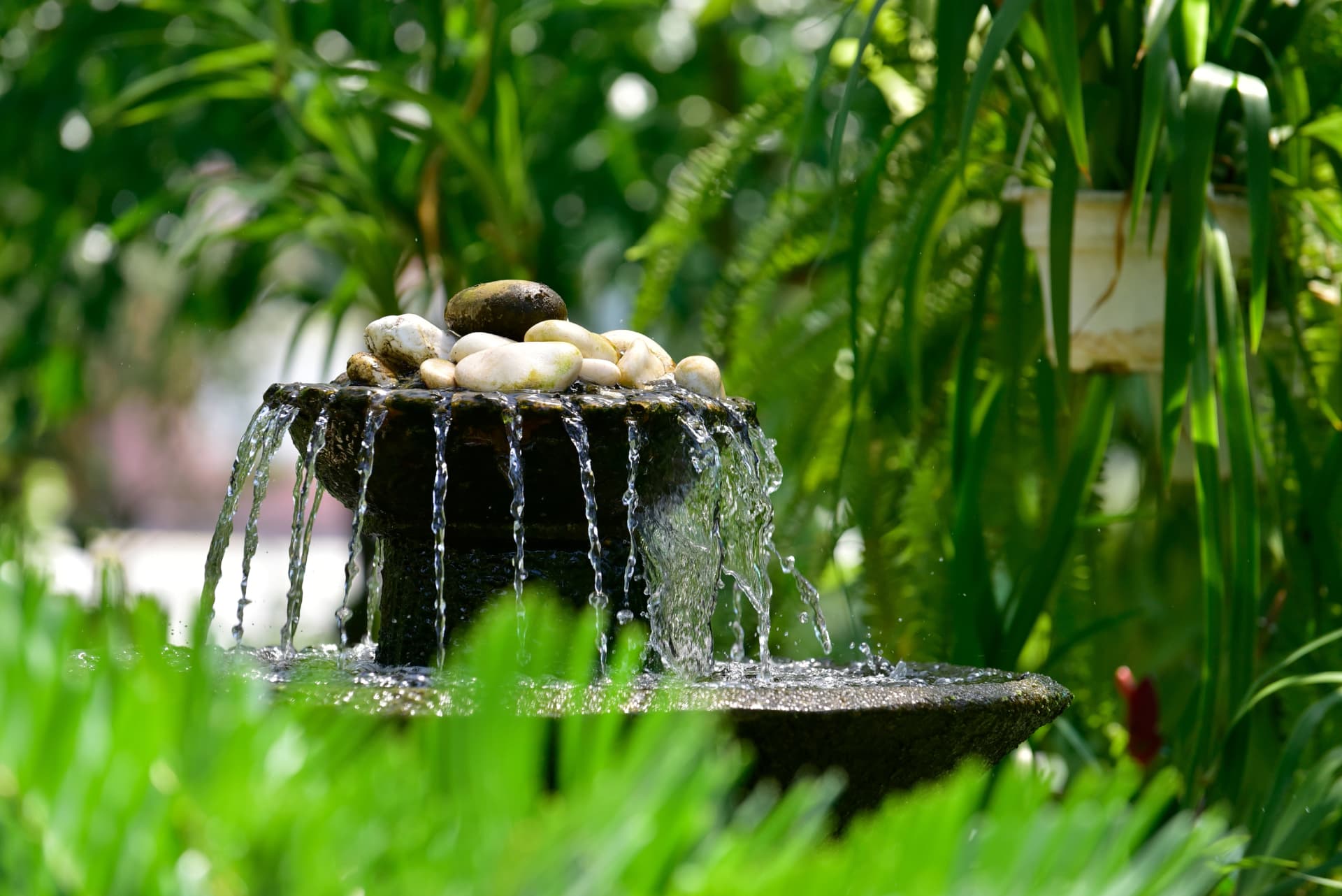
Image: Shutterstock · Shutterstock standard licence · Licensed for use on Garden Forward. Not for redistribution or resale.
Phoenix's 1991–2020 normals give an annual average temperature near 76°F on roughly seven inches of rain a year. The extremes are what define planting: in 2023 the city recorded 31 consecutive days at or above 110°F, ending on 31 July, against a previous record of 18 consecutive days set in 1974.
Nights gave no relief. Overnight lows stayed above 90°F for 16 consecutive days during that same spell, and July 2023 set the highest monthly average temperature recorded for any US city, at 102.7°F according to the Arizona State Climate Office.
This is why shade comes before planting. A Phoenix study in Urban Forestry & Urban Greening found each 1% increase in tree canopy cover reduced near-ground air temperature by 0.14°C, with a rise from 10% to 25% canopy delivering up to 2.0°C of cooling — while cool roofs alone achieved 0.3°C. A 2022 study in Frontiers in Environmental Science estimated that replacing half the city's unmanaged bare soil with trees could cut average summer daytime land-surface temperature by nearly 2°C.
The city's own Cool Urban Spaces work puts the local urban heat island trend at roughly 0.9°F per decade, so the microclimate you create is working against a rising background.
Establish the canopy and the structures first; everything planted beneath them inherits that microclimate. Then follow the University of Arizona Cooperative Extension's watering schedule, which for southern Arizona recommends established desert trees and shrubs every 14–21 days in summer to a root depth of 24–36 inches, and desert groundcovers and perennials every 7–10 days.
Gravel mulch, deep infrequent irrigation and afternoon shade are the three levers that matter. Ornamentals that need daily water in July are not a Phoenix planting strategy; they are a maintenance liability.
Evidence and sources
Factual claims were checked against the sources below on 2026-09-17. Links open the original evidence.
- NWS Phoenix — 1991–2020 climate normals
- AP News (2023) — Phoenix ends 31-day streak of highs at or above 110 degrees
- Middel, Chhetri & Quay (2015), Urban Forestry & Urban Greening — heat mitigation in Phoenix neighbourhoods
- City of Phoenix — Cool Urban Spaces Project report
- University of Arizona Cooperative Extension — Recommended watering schedule for southern Arizona
Related in your garden
Apply this to my gardenWhat to do next
- Deep-water new planting before the warm spellRecently planted roots are shallow and dry out first. · Next 3 days
- Check container reservoirs twice daily in heatContainers can dry out within hours above 30°C. · During hot spells
- Shade young plants during extreme heatTemporary shade cloth prevents scorch on establishing plants. · During heatwaves
Related reading
Matched on the tags a person gave each guide — climate pressure, task and region.
- What London gardens may need to change by 2040Why: same pressure: heat, drought and water
- How to create a drought-resilient garden in MelbourneWhy: same pressure: drought and water, heat
- Seattle's summer dry season, and why plant choice has to satisfy both extremesWhy: same pressure: drought and water
Where to go from here
Create a Garden Profile and this guidance becomes specific to your place.
- Create my garden
Five short questions; answers stay on your device.
- Check my climate
The measured record behind every recommendation.
- Build my action plan
Seasonal actions ranked for your conditions.
Report a problem with this article
Reports are reviewed by a person. A single report never changes the recommendation rules on its own.
A person reads every report. See our corrections and editorial standards, including how to request a takedown.
Garden Forward editorial content, written and reviewed by a person — never published automatically. Climate figures, plant status and safety claims are checked against the cited evidence. General guidance cannot account for every site condition; use local regulations and professional advice where drainage, structures, safety or restricted species are involved.