 Garden Forward
Location climate guide
Seattle's summer dry season, and why plant choice has to satisfy both extremes
Wet winters mask a genuine summer drought — and the heat ceiling has moved.
Garden Forward editorial team · Published 2026-09-17 · Fact-checked 2026-09-17 · Seattle, United States
- Drought and water
- Shifting seasons
- United States
Global baseline coverage. Measured climate and plant suitability work worldwide. Written guides, status registers and seller links are currently deeper for the UK, US and Australia.
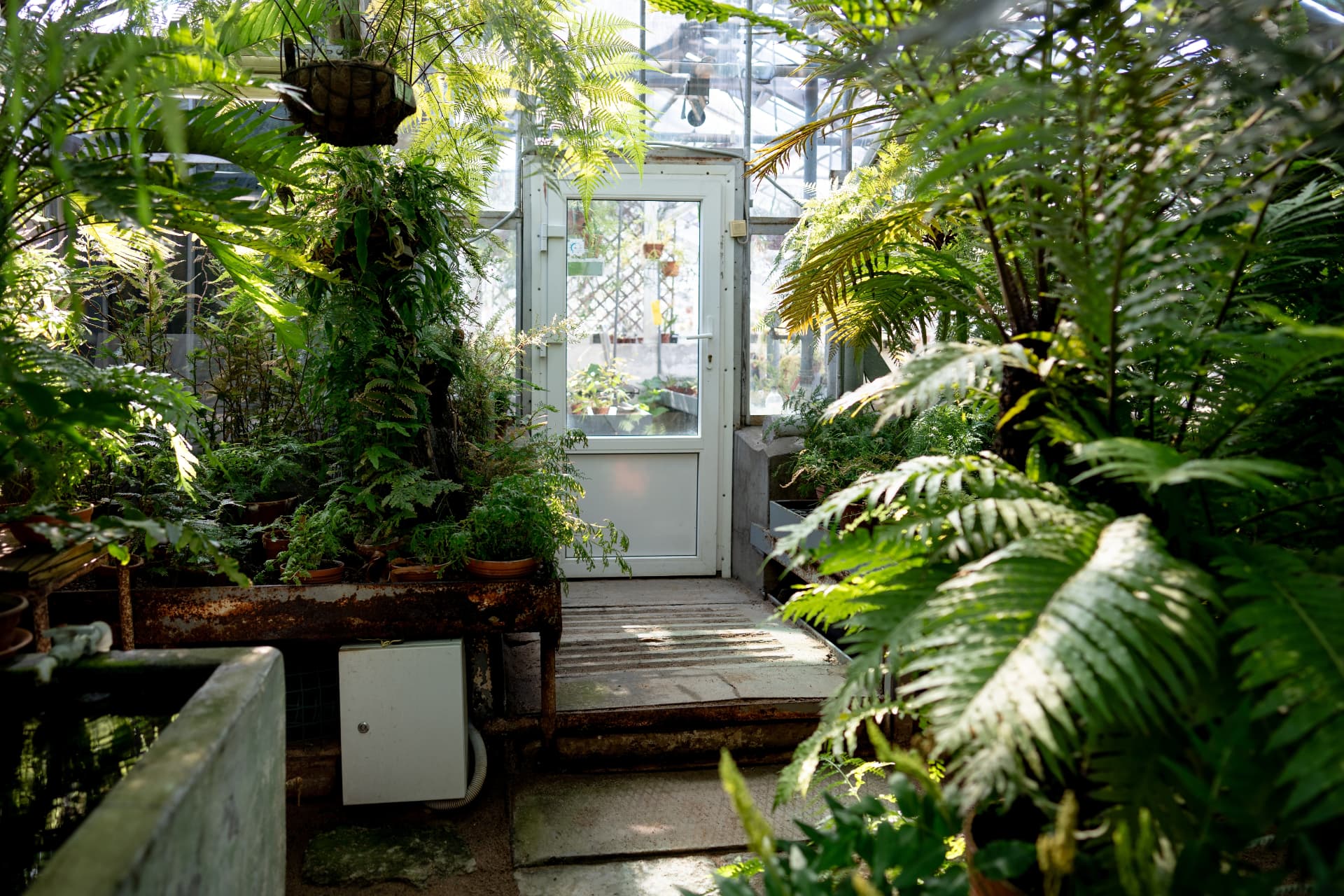
Image: Shutterstock · Shutterstock standard licence · Licensed for use on Garden Forward. Not for redistribution or resale.
Seattle's 1991–2020 normals run to roughly 36–39 inches of precipitation a year depending on the station, concentrated in the cool half of the year. July is the driest month at around half an inch; November the wettest at close to six inches.
That seasonal split, not the annual total, is what gardens have to survive. The University of Washington's Climate Impacts Group reported in September 2025 that summer 2025 was particularly dry statewide, with below-normal June and July precipitation and above-normal June–August temperatures, and that projections show Washington summers are likely to become drier. Washington's Department of Ecology lists drier summers among its headline climate indicators.
The heat ceiling has already moved. During the June 2021 heat dome, Sea-Tac reached 108°F on 28 June, an all-time record, after 104°F the day before. In the previous 126 years of records, Seattle had reached 100°F three times in total; it did so on three consecutive days that week.
Successful Seattle gardens therefore need species that tolerate winter saturation and summer drought — a narrower set than either extreme demands on its own. Anything that rots in a wet winter or collapses in a rainless August fails here regardless of its hardiness rating.
Timing beats volume. Mulch applied in spring, while the soil still holds winter moisture, conserves far more than the same mulch applied in August after the profile has dried. Watering deeply and infrequently through July and August encourages the deep rooting that carries plants through the next dry season.
We have not found an official NOAA figure quantifying how many days longer Seattle's dry season has become; widely quoted numbers of that kind come from third-party analyses rather than the record itself.
Evidence and sources
Factual claims were checked against the sources below on 2026-09-17. Links open the original evidence.
Related in your garden
Apply this to my gardenWhat to do next
- Top up mulch to 7 cmMulch cuts surface evaporation substantially through summer. · This month
- Record which plants wilted firstWilting order is the cheapest evidence of where to change planting. · After the next dry spell
- Deep-water new planting before the warm spellRecently planted roots are shallow and dry out first. · Next 3 days
Related reading
Matched on the tags a person gave each guide — climate pressure, task and region.
- Perth's winter rainfall decline and what to plant nowWhy: same pressure: drought and water, shifting seasons
- Shade-first gardening in PhoenixWhy: same pressure: drought and water
- How to create a drought-resilient garden in MelbourneWhy: same pressure: drought and water
Where to go from here
Create a Garden Profile and this guidance becomes specific to your place.
- Create my garden
Five short questions; answers stay on your device.
- Check my climate
The measured record behind every recommendation.
- Build my action plan
Seasonal actions ranked for your conditions.
Report a problem with this article
Reports are reviewed by a person. A single report never changes the recommendation rules on its own.
A person reads every report. See our corrections and editorial standards, including how to request a takedown.
Garden Forward editorial content, written and reviewed by a person — never published automatically. Climate figures, plant status and safety claims are checked against the cited evidence. General guidance cannot account for every site condition; use local regulations and professional advice where drainage, structures, safety or restricted species are involved.